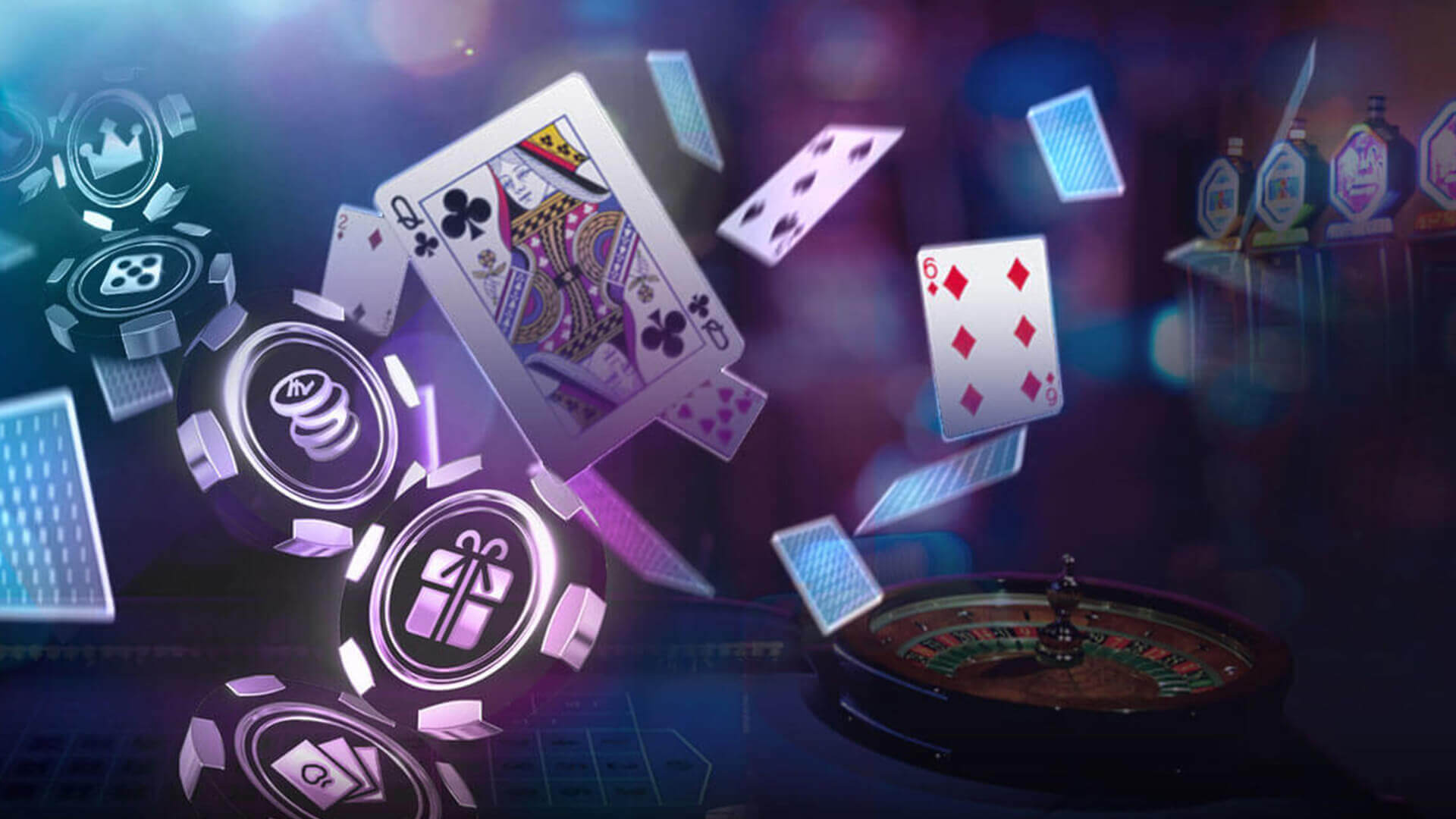
Gambling has been part of human culture for centuries. From ancient dice games to the dazzling lights of modern casinos, the thrill of taking a chance has fascinated people across the globe. But how gambling is perceived, practiced, and even avoided varies widely depending on cultural traditions and beliefs. For some, it’s tied to luck and rituals; for others, it’s steeped in moral caution or spiritual meaning. Let’s take a closer look at how different cultures view gambling. We will uncover the rituals, beliefs, and taboos that shape this universal yet deeply personal activity.
Gambling in Asian Culture: The Balance Between Luck and Discipline
In many parts of Asia, gambling is more than a pastime—it’s an act that intertwines with ancient traditions and philosophies. For example, in Chinese culture, gambling is closely linked to luck, fortune, and timing. It’s no surprise that Feng Shui, the practice of harmonizing energy in a space, is often considered in the layout of casinos. Curved entrances, strategic lighting, and placement of objects are believed to attract positive energy while keeping bad luck at bay.
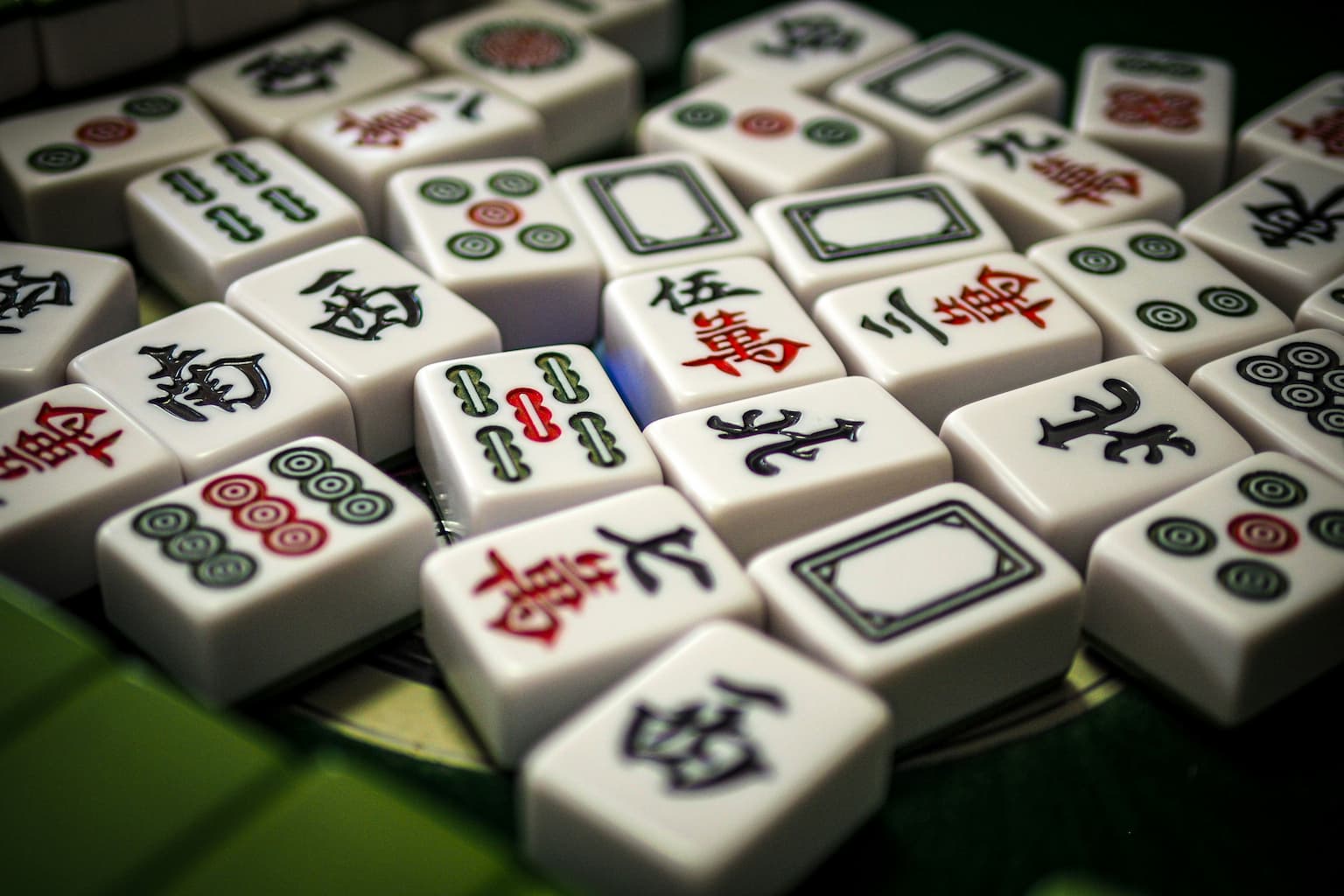
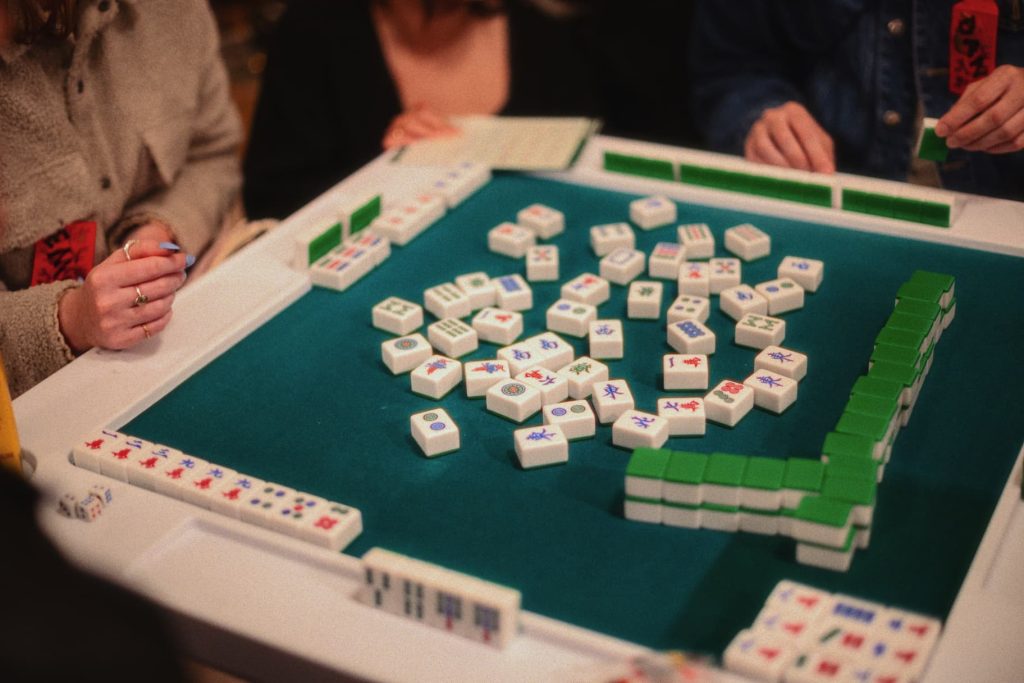
Players, too, have their own rituals. Wearing red clothing, considered a lucky color, or carrying charms is common practice. During the Lunar New Year, gambling takes center stage in family celebrations. Games like Mahjong are played not just for fun but as a way to invite prosperity and strengthen bonds among relatives.
Online platforms like National Casino have made these traditions accessible globally, allowing players to experience the thrill of gambling while embracing cultural rituals. With its diverse range of games, it provides an environment where players can carry forward their beliefs and superstitions into a modern setting.
Yet, gambling in Asian cultures has a dual nature. While it’s embraced during festive times, excessive gambling can carry a stigma. In societies where financial prudence and restraint are highly valued, losing control at the tables is often seen as shameful. A story of fortune slipping through careless fingers.
Western Attitudes: A Game of Glamour and Morality
In Western cultures, gambling walks a fine line between indulgence and caution. Take Europe, for example, where centuries-old casinos like Monte Carlo exude a sense of elegance and exclusivity. Gambling here is often romanticized as an activity for the sophisticated. A roll of the dice in a tuxedo, a spin of the wheel under crystal chandeliers.
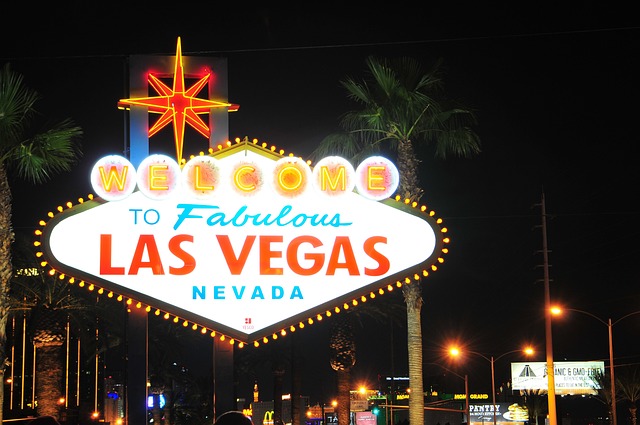
Meanwhile, in the United States, gambling has a more complex identity. Las Vegas, with its neon lights and round-the-clock action, embraces gambling as an essential part of its identity. It’s a place where “what happens here, stays here,” and the thrill of risk is celebrated without apology.
But not all Americans are on board. The country’s puritanical roots have left behind a lingering suspicion of gambling. In some circles, it’s seen as morally questionable, a temptation that leads to ruin. This push-and-pull relationship with gambling is reflected in state laws. Nevada thrives on it, while states like Utah reject it altogether. In many ways, gambling in the West is treated like a seductive character in a novel—at once alluring and dangerous.
Indigenous Games of Chance: More Than Entertainment
For Indigenous cultures, gambling often carries a deeper meaning, rooted in spirituality and community. Many Native American tribes, for instance, have played games of chance for generations. These weren’t merely about winning or losing; they were imbued with cultural and spiritual significance.
Dice games, often made from bones or stones, were sometimes played as part of sacred ceremonies. The games weren’t about individual gain but about seeking balance and harmony—both within the community and with the natural world. Winning wasn’t seen as a personal victory. I was an opportunity to redistribute resources, ensuring everyone benefited.
At the same time, gambling wasn’t without its limits. In many Indigenous traditions, gambling was acceptable only within certain boundaries. Games played for selfish gain or at the expense of others disrupted the community’s balance and were discouraged. For these cultures, gambling symbolized the ebb and flow of life—a reminder of how everything is interconnected.
A Shared Experience with Unique Perspectives
Gambling may be a global phenomenon, but the way it’s approached is deeply shaped by culture. For some, it’s a game of luck enhanced by rituals and symbols. For others, it’s a symbol of glamour, danger, or morality. And for others still, it’s a way to connect with deeper spiritual truths and communal values.
What remains universal, however, is the draw of the gamble itself—a chance to test fate, challenge oneself, or dream of a better tomorrow. Whether it’s through rituals, beliefs, or stories of caution, gambling reflects something fundamentally human: the hope that fortune, no matter how elusive, might just favor the bold.